Auger Pump & Feed Pump Drive Systems · Industrial Gearbox Engineering · Australia
Technical Application Reference
Auger pumps and feed pumps occupy a unique position in the bulk material handling landscape: they bridge the gap between dry bulk conveying and fluid pumping, handling materials that are too dense and too variable for conventional pneumatic or slurry transport but too solid and too abrasive for standard liquid pumps. From grain handling at a country elevator to meat mince feed at a sausage line, from cement paste injection in underground mining to polymer pellet transfer at a plastics plant, the auger or screw feed pump is the engineering solution — and the gearbox driving it is the component that must deliver consistent speed, absorb the startup shock of engaging a full static charge of dense material, and resist the constant abrasion of material particles working into every gap and surface. This guide covers the gearbox selection, sizing, and maintenance requirements for auger pump and feed pump applications across Australian industry.
Screw Conveyor Pumps & Bulk Feed Systems
Abrasion Resistance & Startup Torque
Mining, Food, Grain & Chemical Applications
Technical Specifications
Key parameters for gearboxes used in auger pump and feed pump applications, from small-diameter precision dosing augers to large-diameter mine paste fill transfer systems.
| Parameter |
Typical Range |
Notes |
| Screw Speed |
10 – 300 RPM |
Lower speeds for dense, abrasive materials |
| Output Torque |
100 – 100,000 N·m |
Mine paste fill systems at upper end |
| Service Factor |
2.0 – 3.0 |
Highest for abrasive, lumpy, or bridging materials |
| Material Type |
Powder to coarse aggregate |
Lump size and abrasivity determine SF |
| IP Rating |
IP55 – IP65 |
Dusty mineral and grain environments: IP65 |
| Backstop |
Required on inclined augers |
Prevents material run-back on power loss |
Auger Pump Types and Their Drive Requirements
Auger pumps and feed pumps divide into two functional categories: transport augers that move material over a distance, and feed/dosing augers that meter a controlled quantity of material into a process. The gearbox requirements differ between these categories in one critical respect — the feed auger demands speed stability for dosing accuracy, while the transport auger demands torque capacity for conveying dense or abrasive material against system resistance.
Transport and Extraction Auger Pumps
Transport augers move bulk materials — grain, mineral concentrate, cement, sand, and aggregate — through a trough or tube from a hopper or bin to a downstream process. The drive gearbox must provide the torque required to rotate the auger screw against the combined resistance of the material friction on the screw flights and trough, and the back-pressure if the auger is forcing material through a restricted outlet. The startup torque from a fully packed auger can be 3–5× the running torque for non-bridging free-flowing materials, and can be significantly higher for cohesive materials that compact against the outlet during a shutdown. Service factor 2.5–3.0 is appropriate for auger pumps handling dense, cohesive, or potentially bridged materials.
For inclined or vertical auger transport systems — used in grain storage, mining, and dry bulk handling — the gearbox must include a backstop (overrunning clutch) on the output shaft. When the auger motor is de-energised, the material column above the auger exerts a gravity force that would cause the auger to reverse, spilling material back through the inlet and potentially injuring workers nearby. The backstop mechanically prevents reverse rotation, holding the material column without the motor remaining energised. The backstop torque rating must exceed the maximum gravity-induced reverse torque from the full material column — typically 1.5–2× the auger running torque for steeply inclined or vertical systems.
Abrasion from mineral and grain materials enters the gearbox through the output shaft seal in dusty environments. Even IP55-rated seals gradually admit dust that becomes suspended in the oil and acts as an abrasive in the gear mesh and bearings. IP65 sealing with double-lip output shaft seals significantly extends gearbox life in grain handling and mineral processing environments. For cement and fine mineral powder handling, the dust particle size is comparable to the oil film thickness in the bearings — making IP65 sealing, combined with a labyrinth dust shield at the output shaft, the minimum appropriate specification.
Feed and Dosing Augers: Speed Stability for Metering Accuracy
Dosing augers in food processing, pharmaceutical powder filling, and chemical batching applications meter a controlled mass or volume of material per unit time. The gearbox output speed directly determines the material delivery rate — a 2% speed variation produces a 2% dosing variation, which is the governing error for fill weight compliance under the Australian Trade Measurement Act. The gear motor for a dosing auger must maintain speed stability within ±0.5% across the full operating speed range, requiring VFD control with closed-loop speed feedback rather than open-loop on/off control.
For gravimetric dosing systems (where the delivered weight is measured and the auger speed is adjusted by a weight controller to maintain the target delivery rate), the gearbox must have low torsional compliance — a torsionally soft gearbox delays the speed response when the VFD adjusts frequency, increasing the settling time of the closed-loop weight controller and degrading dosing accuracy at the end of each fill cycle. Helical gear motors with higher torsional stiffness than equivalent worm gearboxes are preferred for gravimetric dosing applications requiring fast controller response.
Service Factor Selection for Bulk Material Types
SF 1.5–2.0: Free-Flowing, Non-Abrasive Dry Materials
Grain, dry sand, plastic pellets, dry cement at low moisture content. Materials that flow freely into and around the auger without bridging. Startup torque is 2–3× running torque from a full static charge. Standard worm or helical gear motor adequately sized at this service factor for applications with soft-start VFD or reduced-voltage starting. Annual oil change and seal inspection maintenance programme.
SF 2.0–2.5: Cohesive, Moist, or Moderately Abrasive Materials
Wet sand, sugar, flour, food ingredients at elevated moisture, mineral concentrates, soft ore fines. Materials that may bridge at the outlet or compact against the auger flights during a shutdown. Startup torque from a stationary packed charge can reach 4× running torque. SF 2.0–2.5 with VFD soft start. IP65 sealing for dusty mineral materials. Bi-annual seal inspection in abrasive mineral service.
SF 2.5–3.0: Dense, Abrasive, or Highly Cohesive Materials
Coarse mineral aggregate, cement paste fill, mine tailings, sticky clay, hard ore coarse fines. Materials that compact densely against a stationary auger and impose significant jam loads on restart. Startup torque can reach 5–6× running torque. Heavy-duty helical-bevel gearbox with SF 2.5–3.0, backstop for inclined systems, and a shear pin or torque limiter at the auger shaft to protect against jam overloads from large lump obstructions. Quarterly seal inspection in highly abrasive mineral service.
Applications Across Australian Industries
Grain & Fertiliser Handling
Grain storage facilities and fertiliser terminals throughout the Australian grainbelt use inclined transport augers to elevate grain from receival pits to storage bins and to reclaim grain to outloading augers. IP65 sealing for grain dust ingress resistance; backstop on all inclined installations; service factor 2.0 for grain, 2.5 for granular fertiliser which is denser and more abrasive. Annual seal inspection and oil change are minimum maintenance for these outdoor, seasonally-cycled installations.
Mining & Cemented Paste Fill
Underground mines use paste fill auger pumps to inject cemented tailings paste into mined-out voids. Paste fill is extremely dense (typically 75–80% solids by mass) and highly abrasive. Gearboxes in paste fill auger pump drives must be rated for service factor 3.0, built with reinforced output shaft sealing, and fitted with condition monitoring to detect bearing degradation between the infrequent maintenance windows typical of underground mining operations.
Food Processing & Meat Handling
Meat processing plants use auger feed pumps to move minced meat, sausage mince, and other food paste products from mixing or grinding to filling or stuffing equipment. NSF H1 lubricants, IP65 stainless construction, and CIP-compatible sealing are mandatory in the meat hygiene zone. The startup torque from cold, stiff meat paste at refrigerated temperature can be 3–4× the running torque — SF 2.5 from the cold-start condition is the correct basis.
Plastics & Chemical Manufacturing
Polymer pellet and powder feed augers in plastics compounding and chemical manufacturing plants meter precise quantities of material to extruders, reactors, and blending systems. Dosing accuracy requirements — typically ±0.5% of set rate — demand VFD-controlled gear motors with closed-loop speed feedback. Abrasive glass-fibre reinforced pellets in plastics compounding accelerate auger flight wear, which gradually reduces volumetric efficiency and requires periodic recalibration of the speed-to-flow-rate relationship.
Sourcing Auger Pump and Feed Pump Gearboxes
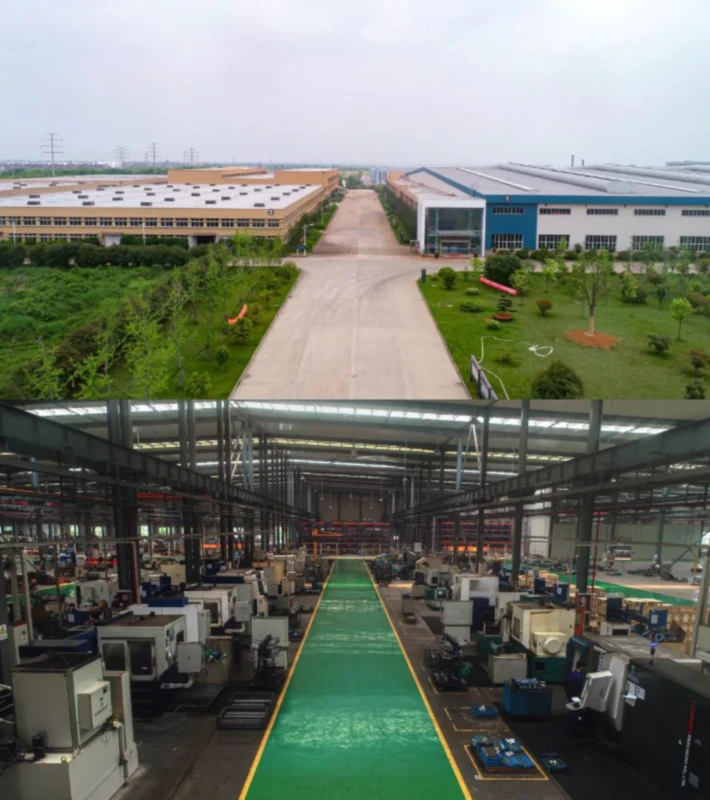
Auger pump gearbox specifications must explicitly state: rated output torque at the correct service factor (confirmed from cold-start peak torque, not average running torque); gear ratio; backstop specification and rotation direction for inclined installations; IP rating (IP65 for dusty or wet environments); seal specification with confirmation of material compatibility with the product dust; ambient temperature range; and any food-grade or pharmaceutical lubricant requirement for food zone applications. Full worm gear performance data for auger feed pump applications, including speed-stability specifications for dosing applications, is available at our worm gear reducer technical specifications resource. We supply worm gear motors and helical-bevel gear motors for auger pump and feed pump applications across Australia. Browse configurations on our auger and feed pump drive solutions page, or contact our engineering team with your material type, auger diameter, speed, and service condition for a specification within one business day.
Frequently Asked Questions
Common questions from bulk materials engineers, process designers, and plant managers about auger pump and feed pump gearbox selection.
1. Why does material run back from the auger when the motor stops on an inclined system?
+
Material runback on an inclined auger system when the motor stops occurs because neither the motor nor the gearbox prevents reverse rotation when de-energised. A standard induction motor with a helical-bevel gearbox has no mechanism to hold the auger shaft against the gravity-induced reverse torque from the material column above the stopped auger. The solution is a backstop (overrunning sprag clutch) on the gearbox output shaft that mechanically locks against reverse rotation. A worm gearbox with ratio above 40:1 provides self-locking that prevents runback through friction, but this is temperature-dependent and may not be reliable for steep inclinations or dense materials. For any inclined auger above 20° and any material with significant gravity reverse torque, a positive mechanical backstop is the correct solution, even if a self-locking worm gearbox is the primary drive.
2. How do I specify a shear pin or torque limiter for an auger jam protection?
+
A shear pin is set to fail at a torque approximately 1.5–2.0× the normal running torque — high enough to allow startup from a partially packed auger but low enough to fail before the auger flights or trough are damaged by a hard obstruction. The shear pin failure torque is: T_shear = shear strength of pin material (MPa) × pin cross-section area (mm²) × moment arm (mm). Specify the shear pin material (brass for food applications where metal detection is in place; mild steel for industrial use) and diameter to achieve this torque at the installation moment arm. A torque limiter (friction or spring-loaded mechanical type) is preferred over a shear pin in high-cycle applications because it resets automatically without manual replacement — the shear pin requires manual access to the connection point and a replacement pin after each jam event. Specify the torque limiter reset torque at 1.3–1.5× the running torque to distinguish normal startup torque from jam events.
3. How quickly does abrasive dust ingress damage a gearbox in grain handling?
+
Cereal grain dust contains silica particles (from soil contamination during harvest) with Mohs hardness of 7, compared to gear and bearing steel at Mohs 6–7. A grain dust-contaminated oil running in a bearing produces abrasive wear at the rate of the softer material — the bearing steel — removing metal continuously from the raceway and ball/roller surfaces. In a severely contaminated gearbox with IP54 sealing (a common specification on older grain handling installations), the bearing L10 life can be reduced from 50,000 hours to under 5,000 hours. Upgrading from IP54 to IP65 sealing with a labyrinth shield and desiccant breather, and changing oil on a 12-month cycle rather than a 5-year cycle to flush accumulated silica particles, can extend bearing service life to 20,000–30,000 hours even in grain dust environments.
4. What documentation should an auger pump gearbox supplier provide?
+
Standard documentation: rated output torque at the service factor (with the service factor basis stated as startup torque, not running torque); gear ratio; backstop torque rating and rotation direction confirmation; IP rating certificate; oil type and fill volume; IOM manual with maintenance schedule; and bearing L10 life at rated load. For inclined auger systems: backstop engagement speed and direction confirmation, and the reverse-torque holding capacity at the maximum material column weight. For food-grade applications: NSF H1 lubricant registration number and stainless component material certificate. For mine and tunnelling applications: confirmation of housing material corrosion resistance to the process fluids and any chemical grout contact; and condition monitoring sensor interface provisions if remote monitoring is required. For dosing applications: speed stability specification (±% at rated torque across the VFD speed range) and torsional stiffness for gravimetric controller response assessment.
Get Auger Pump Gearboxes Sized for Your Material and Startup Condition
Share your material type, auger diameter, inclination angle, startup condition, and any food-grade or mining compliance requirements — our engineers will return a specification with service factor confirmation and backstop recommendation within one business day.
Request a Free Auger Pump Drive Specification →
