
Tractor Attachment PTO Drive Systems · Agricultural Gearbox Engineering · Australia
Technical Specifications
Key parameters for PTO-driven tractor attachment gearboxes, from compact horticultural rotary hoes to heavy-duty post-hole digging and deep-ripping implements.
| Parameter | Typical Range | Notes |
|---|---|---|
| PTO Input Speed | 540 RPM or 1,000 RPM | Must match tractor PTO standard |
| Working Speed (output) | 150 – 540 RPM (tiller); varies | Set by implement working requirement |
| Peak Torque | 500 – 15,000 N·m | Rock impact and root engagement at upper end |
| Service Factor | 2.5 – 4.0 | Highest for stony ground and root engagement |
| Overload Protection | Shear bolt or slip clutch | Protects gearbox from tractor overpower events |
| Lubrication | EP GL-4 / GL-5 gear oil | Synthetic for wide Australian temperature range |
PTO Speed Standards: The Foundation of Implement Compatibility
The PTO standard determines the input speed to the implement gearbox. Australian farm tractors use two standards: 540 RPM (6-spline, 35 mm shaft — standard on smaller tractors and most implements designed before 1990) and 1,000 RPM (21-spline, 35 mm shaft or 20-spline 45 mm shaft on larger tractors). The implement gearbox is designed for one of these input speeds — mixing them produces an implement that either under-performs (540 RPM implement on a 1,000 RPM PTO) or is violently over-sped (1,000 RPM implement on a 540 RPM PTO would require 1,853 RPM input to reach rated output, which is impossible — but a 540 RPM implement on a 1,000 RPM PTO would overspeed the implement by 85%, a serious safety hazard).
Many modern implements are supplied with a choice of PTO shaft stub to accommodate both standards. Confirm the tractor’s PTO speed setting before coupling any implement — modern tractors with electronic PTO control can often switch between 540 and 1,000 RPM electronically, and the active setting must match the implement specification, not just the shaft spline count.
PTO Implement Types: Drive Requirements and Gearbox Architectures
Rotary Tillers (Rotary Hoes)
Rotary tillers are driven by a gearbox that converts the PTO rotation from the tractor to the transverse blade shaft running across the width of the tiller. The gearbox is a right-angle bevel reduction unit (input along the direction of travel, output transverse to the blade shaft) that reduces PTO speed to blade shaft speed and multiplies the torque. The blade shaft typically runs at 180–350 RPM for standard-duty soil cultivation, which requires gear ratios of 1.5:1 to 3:1 from a 540 RPM PTO input. Blades engaging compacted soil, clay hardpan, or stones produce sharp torque spikes that the gearbox must absorb — service factors of 2.5–3.5 are standard for rotary tiller gearboxes in Australian soil conditions.
The gear mesh in a rotary tiller gearbox is typically bevel (at the PTO-to-transverse shaft right-angle change) plus chain or spur transmission to the blade shaft. The bevel stage is the highest-loaded and most failure-prone component because it carries both the full PTO torque and the impact shock from blade hits, simultaneously and in a plane that includes both radial and axial load components from the bevel helix. Providing complete load specifications — both the running torque and the estimated peak shock torque — to the replacement gearbox supplier is essential for correct bevel mesh rating.
Major rotary tiller brands in Australia — Maschio/Gaspardo, Perugini, Howard, Farmforce, and Fieldmaster — have model-specific gearbox designs. Replacement gearboxes are available through the brand’s dealer network or as aftermarket cross-reference units. For aftermarket supply, the input shaft dimensions (spline count and diameter), output shaft dimensions (diameter, keyway, length), and housing bolt pattern must match the original exactly.
Slashers and Flail Mowers
Slashers cut pasture, roadside grass, and orchard undergrowth using a horizontal rotor with free-swinging blades at high speed. The PTO drives the rotor through a belt drive or direct gearbox, operating at 540 RPM PTO and typically near 1:1 ratio (rotor speed ‵ 540 RPM for most slashers, with some using a 1.4:1 speed-up ratio for high-inertia flail mowers). The rotor’s high rotational speed and large inertia create a significant energy storage that, when the blades strike a rock or stump, decelerates rapidly and transfers a massive reverse shock through the gearbox to the PTO shaft. This shock can exceed the tractor’s PTO torque capacity and can destroy the implement gearbox, the PTO shaft, or the tractor PTO housing if no overload protection is present.
For slashers, the overload protection is critical. A free-wheeling rotor that can over-run the PTO input during deceleration (blade hit) requires a slip clutch in the driveline that allows the rotor to decelerate without transmitting the full reversal torque back to the tractor. Shear bolts are inadequate for slasher overload protection because the deceleration event is too brief for a shear bolt to respond before the torque peak has passed — a mechanical slip clutch, pre-set to the gearbox’s maximum input torque rating, is the correct specification.
Post-Hole Diggers
Post-hole diggers use the PTO to drive a vertical auger through the soil, creating a cylindrical hole for fence posts, tree planting, or structural footings. The gearbox redirects the horizontal PTO shaft to the vertical auger shaft through a bevel stage and provides speed reduction to the 50–200 RPM auger operating speed. The peak torque when the auger strikes a rock or tree root can momentarily reach 10–20× the normal running torque — a potentially machine-destroying load if no overload protection exists. Post-hole digger drivelines include a shear bolt (in the PTO driveshaft or the auger connection) that breaks before the gearbox is overloaded. The shear bolt must be correctly rated — too strong and the gearbox breaks; too weak and it shears on normal soil resistance.
Replacement post-hole digger gearboxes (for Digga, McLeod, or imported brands) are among the most common implement gearbox procurement requirements in Australia. The bevel mesh in these units is highly stressed by the rock impact loads and typically fails at the bevel ring gear teeth or the pinion shaft bearing under accumulated fatigue damage. When sourcing a replacement, the gear ratio must be matched exactly to maintain the auger speed — a replacement with a different ratio changes the auger speed and the balance between penetration rate and torque that the operator expects from the implement.
Overload Protection: Shear Bolts vs Slip Clutches
A shear bolt in the PTO driveshaft yoke or the implement input connection fails at a defined torque, disconnecting the drive before the gearbox is overloaded. Correct application: post-hole diggers, auger drives, and other implements where the overload event is infrequent (less than once per day) and the operator can safely stop and replace the bolt. The bolt material grade and diameter are matched to the gearbox’s maximum input torque — never substitute a higher-grade bolt that will not shear, as this converts the gearbox into the weakest link. Carry spare correct-grade shear bolts at all times.
A friction slip clutch in the driveline slips when torque exceeds the set level and re-engages automatically when the overload is cleared. Correct application: slashers, flail mowers, and rotary tillers in stony ground where overload events occur multiple times per day. The clutch slip torque is pre-set to the gearbox’s rated input torque. No manual intervention required after each overload; the implement simply pauses and continues. Clutch inspection and re-adjustment is required annually — worn friction faces reduce the slip torque over time, allowing higher-than-rated torque to reach the gearbox before the clutch slips.
Applications Across Australian Agricultural Operations
Sourcing Tractor Attachment Gearboxes in Australia
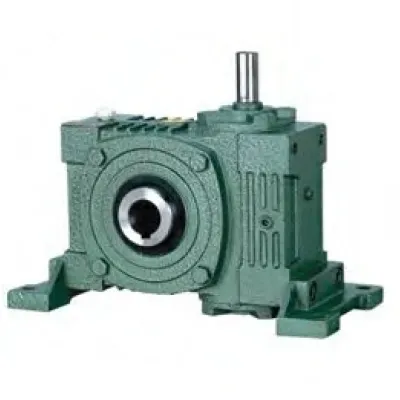
Tractor attachment gearbox procurement requires the specification to include: implement brand and model; PTO speed standard (540 or 1,000 RPM); gear ratio; input and output shaft dimensions (diameter, spline or keyway, length); housing bolt pattern; oil type and capacity; overload protection type (shear bolt or slip clutch) and rated slip/shear torque. For bevel gear stages in rotary tiller and post-hole digger right-angle drives, providing complete shaft dimensional and fit tolerance data for the input and output shaft connections ensures the replacement gearbox connects correctly to both the PTO driveshaft and the implement working shaft without field machining. We supply bevel gearboxes, worm gear reducers, and purpose-built implement gearboxes for tractor PTO applications across Australia. Browse on our tractor attachment drive solutions page, or contact our engineering team with your implement brand, model, PTO speed, and shaft dimensions for a cross-reference within one business day.
Frequently Asked Questions
Common questions from farmers, contractors, and agricultural machinery dealers about PTO implement gearbox selection, replacement, and maintenance.