Harvester & Planter Attachment Drive Systems · Agricultural Gearbox Engineering · Australia
Technical Application Reference
Harvester and planter attachments house some of the most gearbox-dense machinery in Australian agriculture. A modern combine header alone contains four to eight separate gearboxes — the reel drive, the cutter bar drive, the draper belt drive, the auger conveyor drive — all drawing power from the main harvester through a series of PTO shafts, bevel angle drives, and speed multipliers. Every gearbox in this chain must perform reliably through the harvest window, because a single gearbox failure stops the machine and the harvest continues without it — at a cost of thousands of dollars per hour of lost capacity at peak grain prices. This guide covers the engineering basis for harvester and planter gearbox selection, maintenance, and replacement across the Australian grain and broad-acre farming sector.
Combine Headers, Reel & Cutter Drives
Planter Seed Metering & Row Unit Drives
Grain, Cotton, Sugar & Horticultural Harvesting
Technical Specifications
Key parameters for gearboxes in harvester and planter attachment applications, from compact seed metering drives to large combine header drives and sugar cane harvester roller drives.
| Parameter |
Typical Range |
Notes |
| Drive Speed |
50 – 1,200 RPM |
Seed meters at low end; cutter bars at higher |
| Output Torque |
20 – 5,000 N·m |
Sugar cane roller drives at upper end |
| Service Factor |
2.0 – 3.5 |
Rock and stump engagement at harvest speeds |
| Drive Input |
Harvester PTO, ground drive, or electric |
Modern planters increasingly use electric row drives |
| Speed Accuracy |
±1 % for seed metering |
Speed = seeding rate; accuracy = agronomic outcome |
| Seasonal Operation |
100 – 600 h/yr |
Short season; pre-season preparation critical |
Harvester Attachment Gearboxes: The Combine Header Drive Chain
A modern combine harvester header contains a multi-stage drive chain that distributes power from the feederhouse input shaft to each functional element of the header. Each stage uses a bevel angle drive, spur gear reducer, or chain drive to achieve the correct speed and direction for the specific function. Understanding this drive chain is the prerequisite for identifying which gearbox has failed and what replacement specification is required.
Cutter Bar and Reel Drives
The cutter bar reciprocating knife of a grain header is driven at 400–600 strokes per minute from the feederhouse drive shaft through a cutter bar drive gearbox and eccentric crank mechanism. This gearbox undergoes continuous reversing load as the crank drives the knife through its reciprocating stroke, and must survive contact with stones, hard soil clods, and occasional fence posts that enter the header. The reel drive (rotating reel that sweeps crop into the cutter) is typically driven through a separate variable-speed chain and sprocket or hydraulic motor system to allow reel speed to be adjusted independently of ground speed.
For corn headers, the row unit drives include row divider chain drives and stalk roller drives that engage the corn plant and strip the cobs — the stalk rollers must process entire plants at field speed and occasionally jam on downed plants or field rocks. Header drives for John Deere 600 series, Case IH 3000 series, New Holland FDR, and Claas Vario headers are OEM-specific designs — the drive geometry, shaft dimensions, and bearing selection are integrated into the header structure and replacements must be OEM-sourced or precisely cross-referenced aftermarket units.
Sugar Cane Harvester Drives
Sugar cane harvesters (John Deere CH530/CH570, CNH Case IH A8800, Austoft 7700) use multiple heavy-duty gearboxes to drive the cutting, feeding, and cleaning systems. The base cutter drive delivers power to the two contra-rotating cutting discs that sever the cane at ground level — encountering rocks, soil, and the stiff stalks of lodged cane at 250–400 RPM. The feed rollers that convey cut cane into the machine use heavy bevel gearboxes to transmit the feed roller torque from the power distribution shaft.
Sugar cane harvester gearboxes operate in the wet tropical conditions of Queensland’s cane growing regions — high humidity, mud spray, crop residue contamination, and the abrasive soil that clings to cane stalks all attack gearbox seals and housings. The harvesting season (June to December) is intensive — machines may operate 18–20 hours per day, 7 days per week. Pre-season complete gearbox inspection and oil change, mid-season oil level checks, and post-season oil change with visual inspection are the minimum maintenance discipline for a machine operating at this intensity.
Planter Seed Metering Drives
Planter seed metering drives are precision drives: the seeding rate is directly proportional to the meter speed, and ±1% speed accuracy translates directly into ±1% seeding rate accuracy at any given ground speed. Traditional planters use ground-drive transmission systems — a wheel rolling on the ground drives the seed meter through a chain-and-sprocket gearbox, with the transmission ratio determining the seeds-per-metre rate. Modern precision planters (John Deere ExactEmerge, Case IH Early Riser, Horsch Maestro, Precision Planting vDrive) use individual electric row unit drives with electronic speed control, eliminating the mechanical transmission entirely and allowing row-by-row population variation for variable-rate prescription seeding. The gearbox for ground-drive planters is a compact spur or helical reducer with confirmed speed accuracy; for electric row drive planters, the gearbox is an integrated part of the electric motor-reducer unit supplied with the planter drive system.
Pre-Season Preparation: The Critical Maintenance Window
The most important maintenance window for harvester and planter gearboxes is the pre-season inspection — conducted 4–8 weeks before the machine enters the field, when parts can be ordered and delivered before harvest begins. At this point, a single failed gearbox does not cost harvest time; in-field failure costs both harvest time and the premium for emergency parts shipment.
Header Drives: Check and Replace on Condition
Rotate each header drive shaft by hand to check for rough bearing operation, unexpected drag, or play in the shaft. Drain and inspect the oil from each gearbox — metal-contaminated or degraded oil indicates internal wear. Replace any gearbox with rough bearing feel, excessive shaft play, or metal-contaminated oil before the harvest begins, not after the first breakdown. Carry matched-specification hot spares on the header transport trailer for the two most failure-prone drives on each machine.
Pre-harvest · Hot spares on trailer · Metal oil inspection
Planter Drives: Calibrate for Seeding Accuracy
For ground-drive planters, verify the seed meter speed accuracy at the planned planting speed by counting seeds delivered per revolution of the gauge wheel and comparing to the transmission chart. Speed error above 2% indicates drive wear or incorrect chain tension. For electric row drive planters, confirm each row unit’s speed sensor is functioning and the population control software is calibrated to the new-season seed variety’s disc configuration before the first paddock.
Pre-planting · Speed calibration · Seed count verification
Sugar Cane Harvesters: Full Overhaul Schedule
Sugar cane harvesters operating 18–20 hours per day during the harvest season require a full gearbox overhaul programme: complete oil change on all drives at season start; oil change at 200-hour intervals during the season; full bearing and seal inspection at mid-season (100 hours) with replacement of any rough or leaking units; and complete strip-down and bearing replacement on high-load drives (base cutter, primary elevator) at end of season ready for next year’s campaign.
Season overhaul · 200-hour oil change · Base cutter priority
Applications Across Australian Agricultural Sectors
Grain Harvesting (WA, NSW, SA, VIC)
John Deere S/T/W series, Case IH Axial-Flow, New Holland CR/CX, and Claas Lexion combine harvesters operating across the Australian wheat belt use OEM header drive gearboxes that are replaced through the manufacturer’s dealer network or specialist aftermarket suppliers. Cross-reference procurement (confirming shaft dimensions, gear ratio, and housing bolt pattern from the machine service manual) is the reliable path to correct replacement on older machines where OEM parts lead times extend into the harvest window.
Sugar Cane (Queensland)
John Deere CH530/CH570, Case IH A8800, and Austoft 7700 harvesters operating in the Burdekin, Herbert River, and Mackay growing regions require heavy-duty base cutter and feed roller gearboxes. Queensland’s wet harvest season means tropical downpours during operation — gearboxes must tolerate water immersion at drive-over stream crossings as well as the continuous mud and crop residue splash of normal operation. IP67 sealing for the most exposed drives is appropriate for Queensland cane harvesting conditions.
Cotton (NSW & QLD)
John Deere CP690 and Case IH Module Express cotton harvesters use complex row unit drive systems with multiple angle changes from the main harvester power path to the row unit picking spindles. Cotton harvester drive gearboxes operate in fine cotton fibre and dust that enters every gap and crevice. Annual deep-clean and oil change before the harvesting season and mid-season checks are the minimum for cotton harvester drive gearboxes.
Precision Planters (Broad-Acre Cropping)
John Deere ExactEmerge, Case IH Early Riser, Horsch Maestro, and Kinze planting systems use either ground-drive transmission or individual electric row drive systems. Electric row drive planters are becoming standard on large Australian farms — the individual electric motor on each row provides row-by-row population control and eliminates mechanical transmission maintenance. Ground-drive planter transmission gearboxes require annual chain tension check and oil level inspection; electric row drive motor-gearboxes are replaced as integrated units every 3–5 seasons.
Sourcing Harvester and Planter Gearboxes in Australia
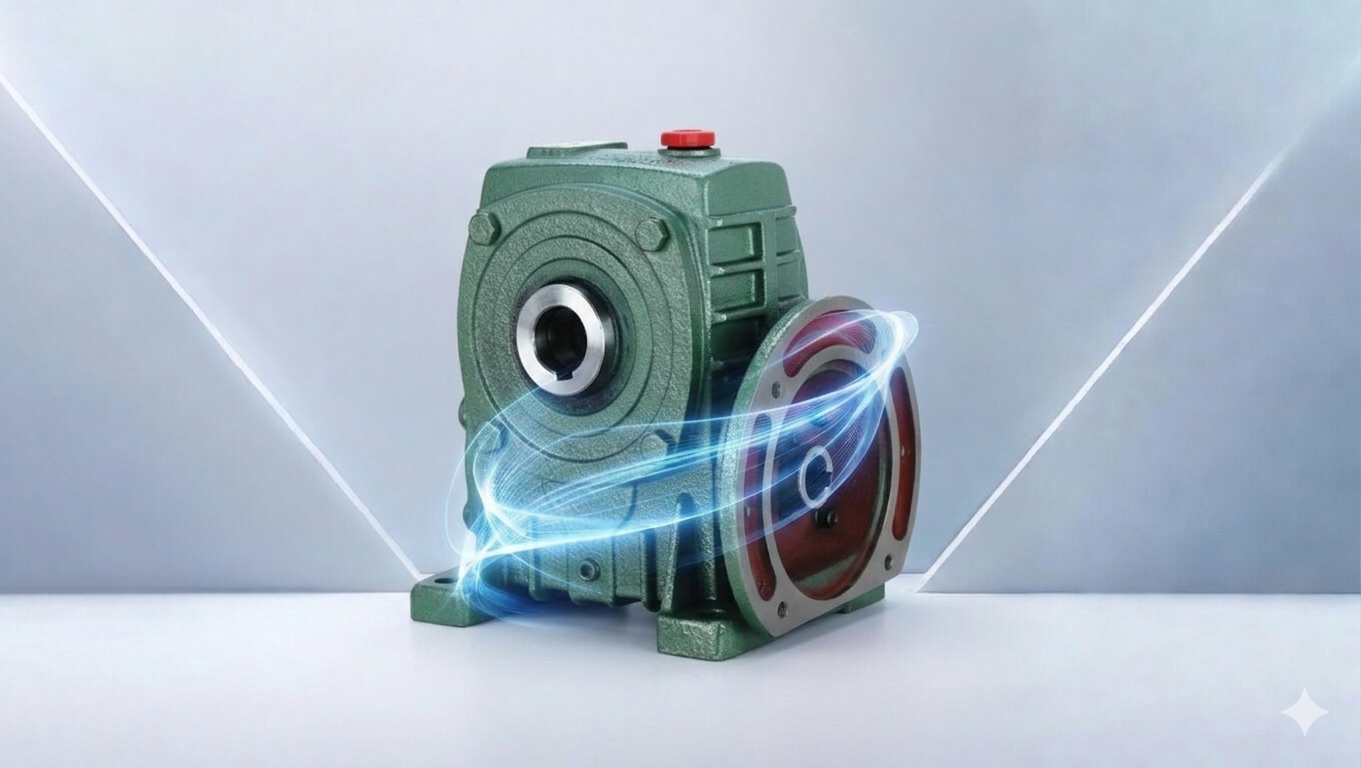
Harvester and planter gearbox procurement requires: machine brand, series, and model year; the specific gearbox position on the machine (header drive, reel drive, seed meter drive etc.); OEM part number if available (from the machine parts manual); gear ratio; and shaft dimensions (diameter, keyway, length) for cross-reference procurement. For combine header angle drives incorporating bevel gear stages to redirect power through the header frame, providing the drive shaft dimensional and coupling specifications from the machine service manual ensures the replacement unit interfaces correctly with the harvester PTO drive connection. We supply bevel gearboxes, worm gear reducers, and helical-bevel units as aftermarket replacements for harvester and planter attachment applications across Australia. Browse on our harvester attachment drive solutions page, or contact our engineering team for a cross-reference and availability within one business day.
Frequently Asked Questions
Common questions from grain and cane farmers, machinery dealers, and agricultural contractors about harvester and planter gearbox selection and replacement.
1. What information do I need to cross-reference a header drive gearbox when the OEM part is on backorder?
+
For a cross-reference of a header drive bevel gearbox: (1) measure the input shaft diameter, keyway width and depth, and stub length; (2) measure the output shaft diameter, keyway, and length; (3) measure the housing bolt pattern (distance between mounting holes in both directions); (4) determine the gear ratio by counting output shaft turns per full input shaft revolution (e.g., 2 input turns per 1 output turn = 2:1 ratio); (5) confirm the rotation direction relationship — does the output shaft rotate in the same direction as the input when viewed from the same end, or opposite? Photograph the unit from both shaft ends and include the measurements. This information is sufficient for a cross-reference specification in most cases. For bevel gearboxes where the OEM part has unusual geometry (non-90° shaft angle, multiple output shafts), include a side-profile photograph of the housing to confirm the shaft arrangement.
2. Why does my planter seeding rate drift during the paddock even at constant ground speed?
+
Seeding rate drift on a ground-drive planter at constant speed indicates a fault in the ground-drive transmission system. The three most common causes are: a worn or incorrectly tensioned drive chain that skips under load (producing periodic rate variation at each skip event); worn sprocket teeth that allow chain slipping at higher drawbar loads on slopes or in harder soil; and a worn seed meter disc where individual cell pick-up is inconsistent. Diagnose by measuring actual seeding count per 100 metres of travel (physical seed count in the furrow or using the planter’s own population monitor) at different paddock conditions. If rate drops on slopes or in hard soil, the chain and sprockets are the likely cause. If rate is random regardless of conditions, the seed meter disc is likely worn. Confirm the chain tension against the operator manual specification and check the chain for stretched links (a stretched link will not seat properly in the sprocket, causing intermittent skipping).
3. What oil should I use in a combine header drive gearbox?
+
Use the oil grade specified in the combine and header operator manual — this is the authoritative source for each specific gearbox in the drive chain. Most header drive bevel gearboxes specify 80W-90 or 85W-140 GL-4 or GL-5 gear oil. Full-synthetic gear oil of the same viscosity grade provides better cold-start protection for early-morning harvest starts in cool southern Australian conditions and better high-temperature stability during long hot summer harvest days. Do not use engine oil or hydraulic oil as a substitute — they lack the extreme pressure additives that protect the bevel gear flanks under shock loading. If the machine is operating in conditions outside the temperature range covered by the OEM-specified oil (e.g., harvesting in sub-zero morning conditions in the Southern Tablelands), consult the machinery dealer about a synthetic alternative with a lower pour point that meets the EP specification.
4. What maintenance does a sugar cane harvester base cutter gearbox need?
+
Sugar cane harvester base cutter gearboxes are among the hardest-worked drives in Australian agriculture: 18–20 hours per day, processing cane stalks and encountering rocks and soil at full cutting speed. The maintenance programme must be intensive to match the duty: pre-season complete oil change and seal inspection; every 200 operating hours — oil change (the highly abrasive soil particles carried on cane stalks contaminate the oil rapidly); seal inspection and replacement if any weeping is detected; check the base cutter disc mounting bolts for loosening (vibration from cutting loosens bolts progressively); end of season — full disassembly inspection of the bevel gear mesh condition, bearing replacement regardless of condition if more than 600 hours since last replacement. A base cutter gearbox failure stops the row completely; the cost of in-season failure far exceeds the cost of conservative preventive replacement.
Get Harvester and Planter Gearboxes Cross-Referenced Before Harvest
Share your machine brand, model, OEM part number (if available), and shaft dimensions — our engineers will confirm a cross-reference and stock availability within one business day, before your harvest window begins.
Request a Free Harvester Gearbox Cross-Reference →
